




students supported
schools / districts supported
Staying ahead of legislative changes, funding updates, and district priorities is key to creating safer and more supportive K-12 learning environments. This page consolidates essential resources for Georgia schools - from policy information and insights, to grant opportunities and helpful further reading - and is regularly updated to reflect the latest developments throughout the school year.
HB 340 Distraction-Free Education Act (2025) (Passed): Requires K-8 schools to implement formal classroom cell phone restrictions by January 2026.
Districts must develop and communicate clear, enforceable device policies for younger grade levels.
Policies must allow accommodations for students with medical needs or educational exceptions.
Schools should consider non-punitive approaches and align policies with digital citizenship education.
No direct hardware or implementation funding tied to HB 340.
While Georgia hasn't passed new privacy legislation, federal compliance under FERPA and COPPA still applies, and district responsibility continues to grow.
Schools must ensure third-party vendors comply with student privacy laws.
Districts should conduct regular audits of edtech platforms and offer clear parental data access protocols.
Proactive transparency supports trust and limits liability.
Privacy infrastructure could be supported through QBE formula increases.
Monitor SchoolSafety.gov and CJCC grants for other data security-adjacent opportunities.
SB 351 Protecting Georgia's Children on Social Media Act (2024) (Enacted): Mandates updated social media acceptable-use policies
Requires schools to block platform access, deliver digital citizenship education, and expand bullying definitions to cover off-campus incidents
Districts must revise Acceptable Use Policies (AUPs), enforce access restrictions, and implement a structured digital safety curriculum.
Noncompliance may affect Department of Education (DOE) funding eligibility, raising the stakes for policy implementation.
No direct funding tied to SB 351, but QBE formula increases may support rollout.
CJCC prevention grants may also cover elements of bullying prevention and awareness campaigns.
HB 268 Omnibus School Safety & Threat Prevention Bill (2025) (Passed):
Requires 24/7 tip lines, emergency alert systems, improved data sharing, and annual staff training
Adds one district advocate per 18,000 students for mental health & safety roles
Districts must adopt or enhance threat reporting platforms, response plans, and crisis communications.
Policies must include training timelines, data protocols, and staffing models tied to student population size.
FY 2025–26 School Safety Grants | $50M statewide, ~$21,600 per school, supports panic buttons, cameras, and more.
CJCC Prevention Grants | Covers violence prevention and mental health–linked staffing.
QBE Formula Increase | ~$402M statewide boost, with safety planning flexibility.
HB 268 Omnibus School Safety & Threat Prevention Bill (2025) (Passed): Mandates increased mental health support, including new staffing roles and annual threat detection training.
HB 24 DBHDD Grants provide direct support for telehealth, screenings, and behavioral health coordination.
Districts must fund or contract mental health professionals, expand teletherapy access, and align services with HB 268 guidelines.
Staff training and student access infrastructure must be incorporated into annual planning cycles.
HB 24 DBHDD Grants | Competitive funding for behavioral health coordination and tech.
CJCC Prevention & Intervention Grants | Cover staff costs and mental health programming
QBE Formula Boost | Flexible dollars to support student wellness staffing and tools
Federal Mental Health Grants | Up to $3M per district to expand services
SB 351 (2024) (Enacted but blocked in parts):
Requires parental consent controls for student social media use. Grants families rights to request platform data and sets age verification protocols.
Schools may need to revise digital consent forms, offer data access pathways, and adjust student permissions for platform use.
Emphasizes family involvement in digital safety oversight and tech policy transparency.
No direct state funding, but formula funds and CJCC grants may support communications or opt-in systems.
Consider bundling this work with digital safety initiatives under SB 351 compliance.
The 2025-26 School Readiness Guide is a practical planning tool designed to help K-12 leaders navigate the ever-evolving landscape of student safety, mental health, and digital wellbeing.
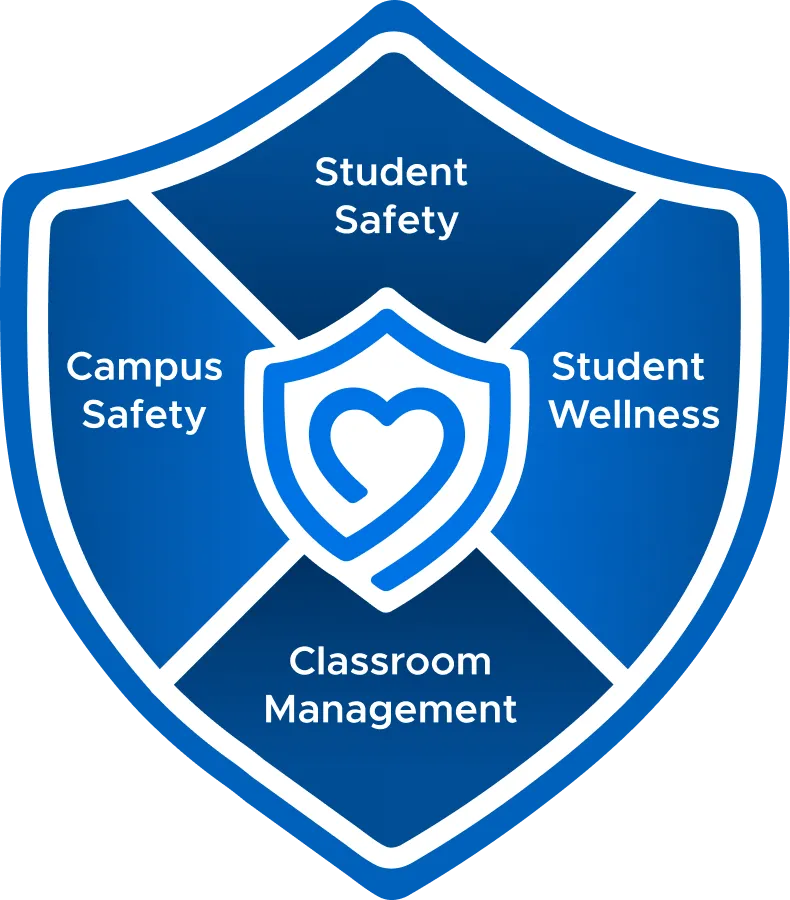
The Securly Shield brings together holistic K-12 solutions that empower Georgia districts to proactively protect students, support mental wellness, and drive student engagement through smarter, safer technology:
students supported
schools / districts supported