







students supported
schools / districts supported
Staying ahead of legislative changes, funding updates, and district priorities is key to creating safer and more supportive K-12 learning environments. This page consolidates essential resources for Minnesota schools - from policy information and insights, to grant opportunities and helpful further reading - and is regularly updated to reflect the latest developments throughout the school year.
HF 2516 / SF 508 (Pending): Requires districts to adopt cell phone policies by March 15, 2025.
Beginning in 2026-27, full bans will apply to grades K-8, and classroom-only bans for grades 9-12.
Districts must create and roll out clear, grade-specific device restriction policies.
The legislation includes grant funding for implementation, training, and community awareness.
Aligns well with tools that promote classroom focus, digital citizenship, and non-punitive enforcement.
Potential alignment with broader MDE School Safety Competitive Grants for related infrastructure.
While there are no Minnesota-specific updates in this area, federal laws like FERPA and COPPA still guide expectations.
Pressure is increasing on districts to audit systems and enforce stricter data protocols.
Ensure vendor compliance, particularly for school-issued devices or student information systems.
Clear parental access, data correction, and privacy policies should be in place.
Districts should monitor MNIT updates, as federal cybersecurity funding is currently on hold.
No active cybersecurity grants, but schools may use MDE formula grants for data training and safety education.
SchoolSafety.gov for any reinstated federal funding.
The Matt Epling Safe Schools Law (Active): Requires districts to maintain comprehensive cyberbullying policies, provide annual training, report incidents, notify parents, and adopt restorative practices.
Districts must review and update Acceptable Use Policies (AUPs), staff training, and reporting systems to ensure compliance.
Emphasizes the importance of proactive prevention, inclusive response protocols, and family communication.
Encourages alignment with tools like anonymous tip lines and behavior monitoring.
Full-Service Community Schools Grant | Up to $600K per site for services including mental health and restorative practices.
MDE CTE Funding | Can support integration of cyber-safety instruction and SEL into tech programs.
MDE School Safety Grants | May apply to systems supporting digital behavior reporting and follow-up.
PA 2024 No. 148 (Enacted): Requires installation of security cameras, firearms detection systems, and upgrades to emergency communication platforms.
Districts must prioritize physical and digital infrastructure upgrades aligned with state requirements.
Emphasis on detection hardware, incident management tools, and standardized safety platforms.
Affects facilities, tech integration, and emergency response planning.
MDE School Safety Competitive Grants | Directly supports PA 148 implementation.
MNECB School-Safety Facility Grants | Infrastructure and violence prevention construction funding.
Safe Routes to School Grants | Aligns with broader safety and physical access goals.
No new 2025-26 legislation, but existing facility grant funding is increasingly being directed toward student mental health and threat assessment support.
Districts are expected to develop threat/wellness teams and expand access to mental health services, including through telehealth or school-based staff.
Emphasis is on early intervention, student safety, and multi-tiered support systems.
Full-Service Community Schools Grant | For wraparound mental health supports and threat response practices.
MDE School Safety Grants | May be leveraged to support mental health staffing or tech.
Federal School-Based Mental Health Services Grants | Up to $3M per district if awarded.
While no specific state laws have changed, national focus remains on family engagement, transparency in tech use, and notification practices.
Districts should provide parent dashboards, student activity reports, and wellbeing alerts to keep families in the loop.
Emergency plans and digital conduct policies should outline when and how families are notified during key incidents.
School safety funding and community school grants can support parent engagement tech and training.
MDE CTE and formula funds may also support communication infrastructure.
The 2025-26 School Readiness Guide is a practical planning tool designed to help K-12 leaders navigate the ever-evolving landscape of student safety, mental health, and digital wellbeing.
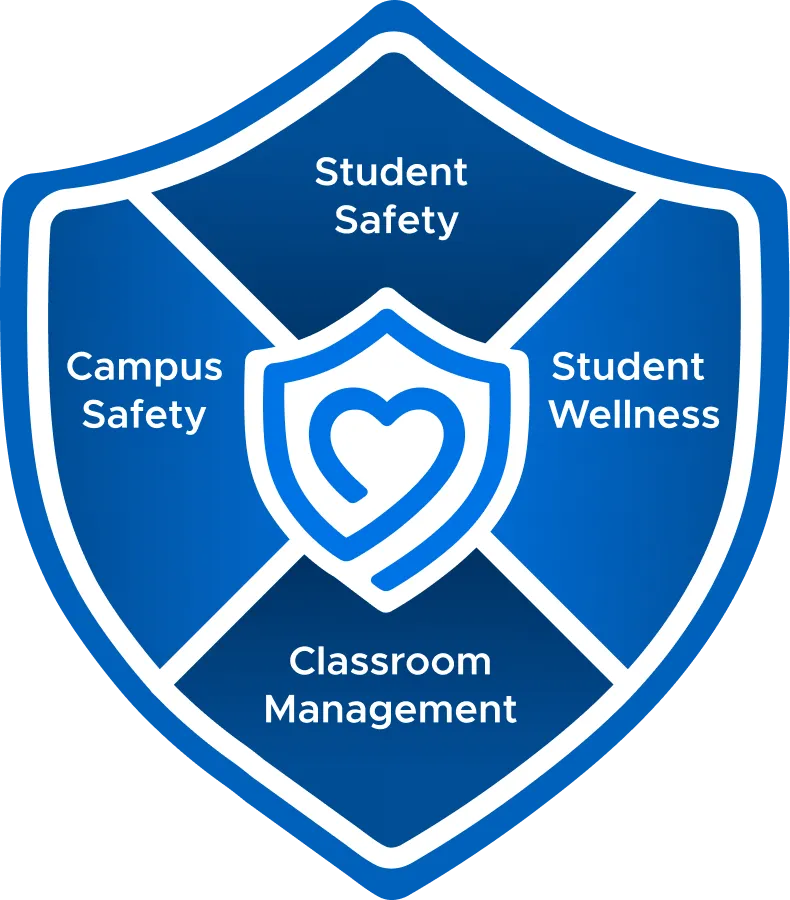
The Securly Shield brings together holistic K-12 solutions that empower Minnesota districts to proactively protect students, support mental wellness, and drive student engagement through smarter, safer technology:
students supported
schools / districts supported