students supported
schools / districts supported
Staying ahead of legislative changes, funding updates, and district priorities is key to creating safer and more supportive K-12 learning environments. This page consolidates essential resources for Ohio schools – from policy information and insights, to grant opportunities and helpful further reading – and is regularly updated to reflect the latest developments throughout the school year.
SB 158 (Passed): Requires all K-12 districts to ban cellphone use during school hours starting Fall 2025, with limited exceptions for health, emergencies, and pre-approved educational needs.
Districts must develop and communicate device policies, update student handbooks, and ensure integration into emergency protocols.
Enforcement must accommodate accessibility needs and consider equity across student groups.
There is currently no state funding tied directly to SB 158.
Districts may use general funding, ESSER rollovers, or SchoolSafety.gov grants to support enforcement tools or training.
Federal laws like FERPA and COPPA continue to guide expectations.
Increased public scrutiny is driving districts to audit vendor compliance, data handling, and student transparency protocols.
IT teams should evaluate current edtech contracts and ensure data privacy protections meet or exceed federal standards.
Policies should provide parental access, correction rights, and clear data usage disclosures.
Use ESSER funds or formula allocations for audits, compliance systems, or staff training.
Monitor SchoolSafety.gov for new or returning cybersecurity grants.
While there is no new 2025 legislation, requirements under the Ohio Revised Code remain in effect.
Districts must maintain and enforce policies addressing bullying - including cyberbullying - along with staff training and incident reporting.
Schools must continue delivering digital safety instruction, maintaining incident tracking protocols, and using restorative approaches where appropriate.
Consider integrating anonymous reporting tools and regular community communication.
Formula grants and federal resources via SchoolSafety.gov can support ongoing training and programming.
Additional coverage possible through Safer Communities funding or ESSER allocations.
There is no new mental health legislation introduced in Ohio for 2025-26.
Existing practices remain in place, with a focus on continuity of care and resource expansion via funding.
Districts should continue expanding access to mental health staff, school-based counseling, and early intervention tools.
Opportunity to combine funding streams for sustainable staffing models and wellness initiatives.
SchoolSafety.gov includes active and upcoming grant opportunities.
A national emphasis continues on family engagement, tech transparency, and student wellbeing visibility.
Schools should provide parent portals, digital behavior alerts, and mental health check-in updates to keep families informed.
These tools are increasingly seen as part of standard safety and communication planning.
Use federal grants or state formula allocations to support family engagement software, staff training, or comms upgrades.
SchoolSafety.gov offers additional tools and funding pathways for transparency initiatives.
The 2025-26 School Readiness Guide is a practical planning tool designed to help K-12 leaders navigate the ever-evolving landscape of student safety, mental health, and digital wellbeing.
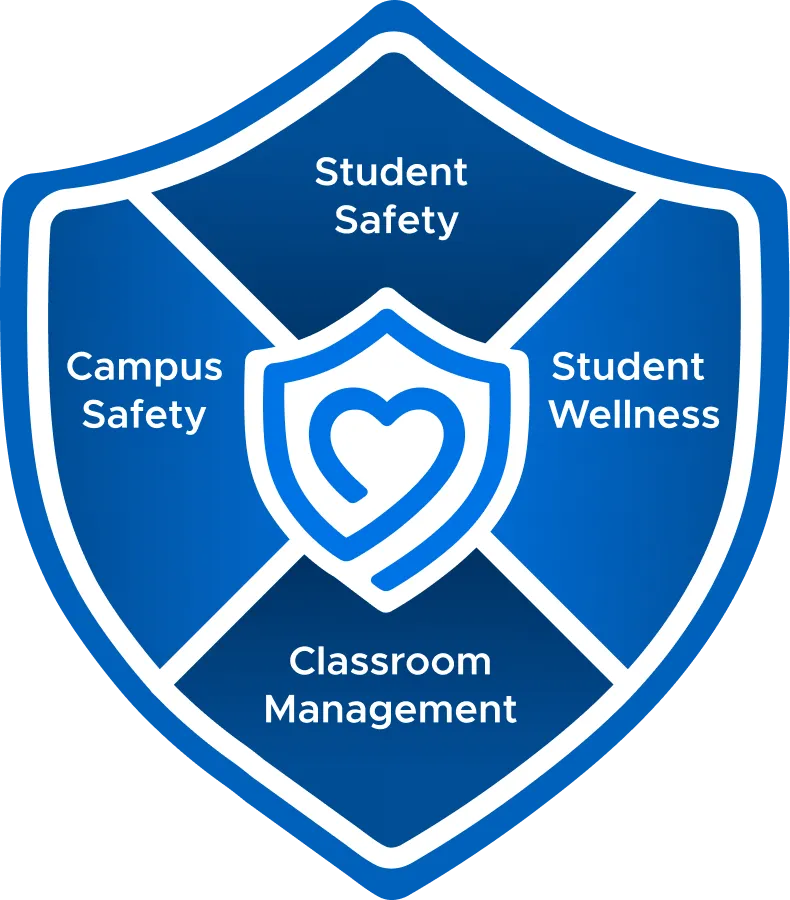
The Securly Shield brings together holistic K-12 solutions that empower Ohio districts to proactively protect students, support mental wellness, and drive student engagement through smarter, safer technology:
students supported
schools / districts supported