


students supported
schools / districts supported
Staying ahead of legislative changes, funding updates, and district priorities is key to creating safer and more supportive K-12 learning environments. This page consolidates essential resources for Pennsylvania schools - from policy information and insights, to grant opportunities and helpful further reading - and is regularly updated to reflect the latest developments throughout the school year.
Act 55 of 2024 (Senate Bill 700) (Enacted): Authorizes districts to use state School Safety & Mental Health Grants to purchase secure phone storage bags for students.
Districts now have state funding support to implement device-free classrooms via lock-up bag systems.
While not a full ban, this policy enables more consistent enforcement of in-school phone restrictions using approved technology.
Part of the broader $20M in safety/security funds from a Governor Shapiro's 2024-25 education budget.
Child Internet Protection Act (Adopted): Requires all schools to update Acceptable Use Policies (AUPs) by March 17, 2025, including content filtering and blocking of harmful materials.
Districts must revise tech use policies to meet online safety standards.
Implementation may require updated filtering tools, student education, and staff training.
Creates a baseline of protection for responsible tech use in K-12 environments.
Governor Shapiro's Budget (2024–25) | Allows broad infrastructure investments that can cover filtering, firewall upgrades, or compliance tools.
Schools may also explore SchoolSafety.gov grants.
There was no new legislation passed in 2025, but districts remain accountable to existing anti-bullying policies, data reporting requirements, and staff training protocols.
Districts must maintain and enforce anti-cyberbullying policies, even without new laws.
Expect growing public pressure to address off-campus digital misconduct, especially in middle and high school settings.
Emphasis remains on training, student support, and incident transparency.
Federal grants and state partnerships may fund education and prevention programs.
Safety policy governed through amendments to the Public School Code of 1949 (PCCD, 2025 session). These updates include school safety plans, procedures, and infrastructure guidance.
LEAs must stay in alignment with evolving PCCD protocols and readiness requirements.
Infrastructure improvements – like secure entry, surveillance, or communications systems – may be eligible for state or federal support.
Schools should conduct regular audits and update emergency response plans accordingly.
Governor Shapiro's Budget (2024–25) | Includes $20M for school safety/security and $100M for facility improvements.
Safe Schools / Healthy Students (SS/HS) | Federal program supporting integrated safety, wellness, and community systems.
SchoolSafety.gov | Offers grant search tools and implementation support.
While no new standalone mental health legislation was passed, Pennsylvania's K-12 education budget significantly expanded funding for school-based wellness and mental health services.
Districts can allocate new formula funds to expand mental health teams, add teletherapy services, or improve access to school-based counseling.
SS/HS and state safety funding can be combined to support comprehensive student wellbeing programs.
Governor Shapiro's Budget (2024–25) | Provides formula-based funding for mental health services as part of broader safety and wellbeing support.
Safe Schools / Healthy Students (SS/HS) | Offers multi-agency funding for integrated mental health infrastructure.
Federal School-Based Mental Health Services Grants | Offer up to $3M per district for staffing, programs, or partnerships.
No new mandates in Pennsylvania, but nationwide trends continue to spotlight transparency, family engagement, and digital oversight.
Districts should prioritize parent-facing tools, including real-time activity insights, mental health alerts, and technology usage reports.
Having a clear framework for parent notifications around safety, wellbeing, and technology use helps build trust and compliance.
Mental health and school climate funds from state or federal sources may support the systems and staffing needed to enhance parental oversight.
The 2025-26 School Readiness Guide is a practical planning tool designed to help K-12 leaders navigate the ever-evolving landscape of student safety, mental health, and digital wellbeing.
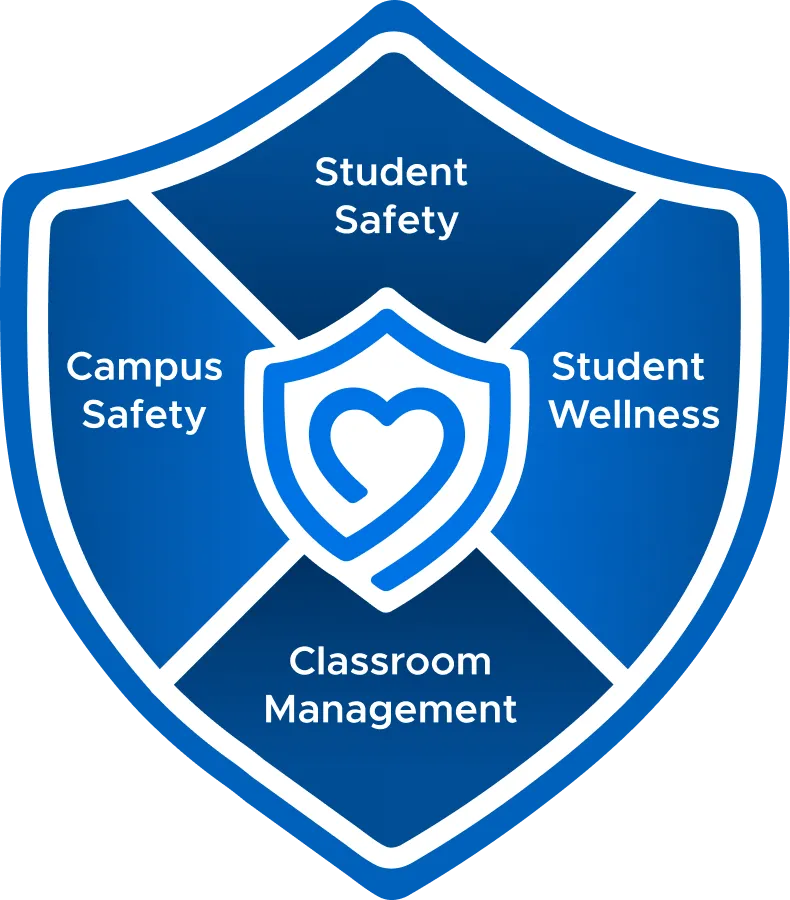
The Securly Shield brings together holistic K-12 solutions that empower Pennsylvania districts to proactively protect students, support mental wellness, and drive student engagement through smarter, safer technology:
students supported
schools / districts supported