Virginia K-12 Preparedness Hub
Key resources for navigating the 2025-26 school year

Virginia state hero image

Welcome to Your K-12 Preparedness Hub

Staying ahead of legislative changes, funding updates, and district priorities is key to creating safer and more supportive K-12 learning environments. This page consolidates essential resources for Virginia schools - from policy information and insights, to grant opportunities and helpful further reading - and is regularly updated to reflect the latest developments throughout the school year.

Our Trusted Virginia Partners

Loudoun County Public Schools
Virginia Beach City Public Schools
Henrico County Public Schools
Chesapeake Public Schools
Virginia Logo 5
Virginia Logo 6
Virginia Logo 7
Virginia Logo 8
Virginia Logo 9
Virginia Logo 10

Legislative changes, impact, & funding opportunities

What's changed

VA HB 1961 (2024-2025) (Enacted): Requires schools to adopt age-appropriate, bell-to-bell device policies that restrict phone and smart device use during school hours.

Policies must avoid punitive discipline and include accommodations for medical or special education needs.

How this impacts you

Districts must draft or revise device policies that limit in-school distractions while respecting student rights.

Suspension or expulsion is no longer permitted as a consequence for phone use, encouraging restorative approaches.

Accommodations for students with IEPs, 504 plans, or medical needs are required.

Relevant Funding

While there's no direct funding tied to cell phone bans, technology-based safety grants may be applicable.

What's changed

VA HB 1486 (2024-2025) (Enacted): Strengthens privacy protections for students using school-issued devices and edtech platforms.

Bans targeted advertising, profiling, and unauthorized use of student data; mandates parental consent, data deletion, and access to personal information.

How this impacts you

Districts must ensure vendor compliance with expanded privacy standards.

Processes must be in place for data correction, access, and secure deletion.

Schools must proactively engage families on how student data is handled and protected.

Relevant Funding

While there is no state funding directly tied to this policy, districts may consider federal cybersecurity grants or SchoolSafety.gov resources for infrastructure upgrades.

What's changed

VA SB 905 (2024-2025) (Enacted): Establishes an Internet Safety Advisory Council to develop model policies, best practices, and instructional resources for tech use in schools.

VA SB 908 (2024-2025) (Enacted): Requires updates to student conduct codes to address off-campus cyberbullying, mandates parent notification within 24 hours, and ensures access to support services.

How this impacts you

Schools must update codes of conduct to reflect new off-campus cyberbullying guidance.

Staff training, parent communications, and support protocols must be updated accordingly.

Access to the Council's model resources can guide policy alignment and instructional planning.

Relevant Funding

Though there is no direct funding outlined, districts can leverage state and federal mental health or school climate funding to support training, monitoring, and family engagement.

What's changed

VA HB 561 (2024-2025) (Enacted): Expands annual safety audits to include physical security, emergency comms, and law enforcement-led walkthroughs based on crime prevention principles.

VA HB 2679 (2024-2025) (Enacted): Updates threat assessment procedures, mandates immediate parent notification if a student is deemed a threat, and expands data sharing with law enforcement and health systems (under privacy controls).

How this impacts you

Safety audits must now include standardized floorplans and walkthroughs with law enforcement.

Threat teams are expected to follow state protocols, notify parents swiftly, and report into the School and Campus Safety Center.

Prepares districts for greater accountability and audit-readiness.

Relevant Funding

There are no specific grants noted for infrastructure upgrades.

Related safety investments may be supported by local safety budgets, ESSER remainders, or federal preparedness funding.

What's changed

VA HB 919 (2024-2025) (Enacted): Requires the Department of Education (DOE) to create a model memorandum of understanding (MOU) for schools to partner with teletherapy providers.

VA SB 1037 (2024-2025) (Enacted): Authorizes and outlines requirements for offering telehealth services during the school day, including private space, non-punitive access, and MOUs with vetted providers.

How this impacts you

Schools can now contract with nationally recognized providers more easily.

Students must have equitable, stigma-free access to mental health teletherapy on campus.

MOUs must align with state-approved frameworks, creating consistency and legal clarity.

Relevant Funding

$30M in SBMH Grants (Governor's Budget via DBHDS/VDOE) | School-based mental health services.

Federal School-Based Mental Health Services Grants | Up to $3M per district for staffing or teletherapy partnerships (awaiting FY2025 RFA).

Extended School Year/YRS Grants | May fund expanded SEL/wellness staffing outside core hours.

What's changed

VA HB 2055 (2024-2025) (Enacted): Requires schools to immediately notify parents when a student is at imminent risk of suicide, and provide suicide prevention and firearm safety materials.

VA HB 2774 (2024-2025) (Enacted): Mandates parent notification within 24 hours of suspected student overdose on or near school property, with details on substances and emergency actions taken.

How this impacts you

Schools must establish or update parent communication protocols for serious student health risks.

Staff must be trained to recognize crisis signs and distribute prevention materials.

These policies strengthen transparency and family-school collaboration during crises.

Relevant Funding

These mandates are unfunded but critical; districts may explore using SEL or safety grants to build capacity.

Training and materials may be supported through mental health grants or public health partnerships.

  • Device Policies (HB 1961): Schools must implement age-appropriate, non-punitive cell phone policies with clear accommodations for students with medical or special education needs.
  • Student Data Privacy (HB 1486): New protections require stronger vendor compliance, parental consent, and secure data handling for school-issued devices and edtech platforms.
  • Cyberbullying & Internet Safety (SB 905 & SB 908): Districts must address off-campus incidents, notify parents within 24 hours, and align with model digital safety resources.
  • School Safety Audits (HB 561 & HB 2679): Annual audits now include walkthroughs and threat protocol updates, with law enforcement coordination and parent notification mandates.
  • Mental Health Access (HB 919 & SB 1037): Schools can partner with teletherapy providers under new guidelines, offering students private, on-campus mental health support.
  • Parental Notification (HB 2055 & HB 2774): Schools must inform parents quickly of suicide risks or overdoses, and provide relevant prevention and safety materials.
  • State & Federal Funding: $30M in state mental health grants and $3M federal grants support expanded wellness services, alongside extended-year grants for flexible staffing.

Download the 2025-26 Readiness Guide

The 2025-26 School Readiness Guide is a practical planning tool designed to help K-12 leaders navigate the ever-evolving landscape of student safety, mental health, and digital wellbeing.

  • Understand key legislation, funding opportunities, and policy shifts shaping the 2025-26 school year
  • Get strategic guidance tailored to the needs of superintendents, IT leaders, and student services teams
  • Use actionable checklists to prioritize next steps and drive cross-functional planning across your district
This link opens in a new tab.Download your free copy today

Supporting Virginia Districts with Trusted Safety & Wellness Solutions

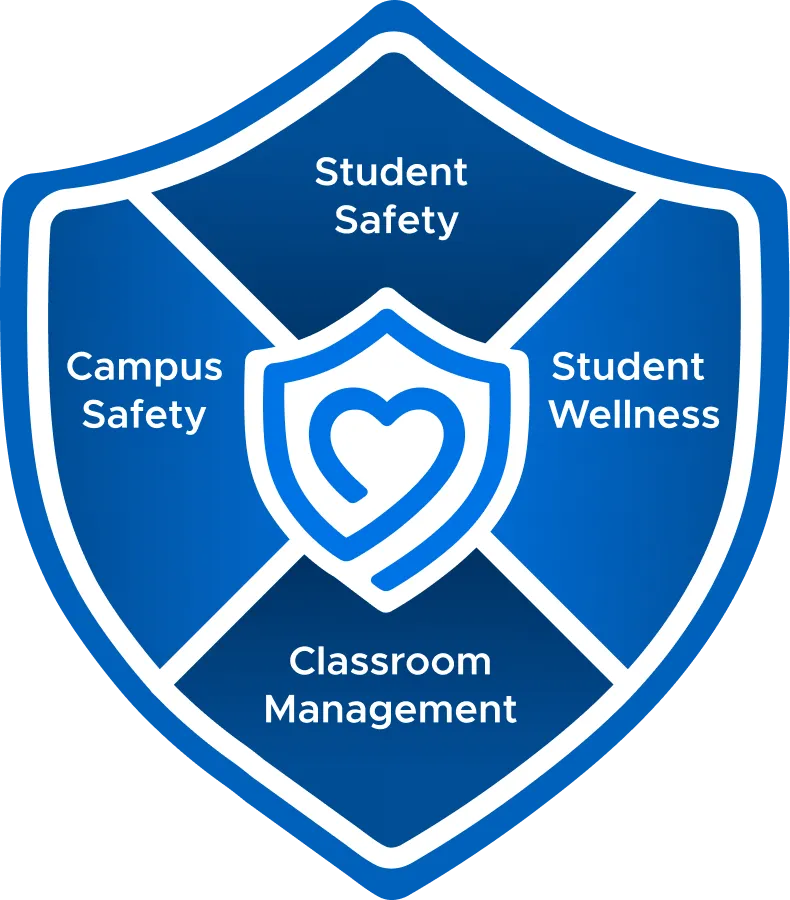
The Securly Shield brings together holistic K-12 solutions that empower Virginia districts to proactively protect students, support mental wellness, and drive student engagement through smarter, safer technology:

Securly Shield
Student Icon
713,276

VA students supported

Map Icon
232

VA schools + districts supported