Wisconsin K-12 Preparedness Hub
Key resources for navigating the 2025-26 school year

Wisconsin state hero image

Welcome to Your K-12 Preparedness Hub

Staying ahead of legislative changes, funding updates, and district priorities is key to creating safer and more supportive K-12 learning environments. This page consolidates essential resources for Wisconsin schools - from policy information and insights, to grant opportunities and helpful further reading - and is regularly updated to reflect the latest developments throughout the school year.

Our Trusted Wisconsin Partners

Madison Metropolitan School District
Kenosha Unified School District
Green Bay Area Public School District
Racine Unified School District
Waukesha School District
Appleton Area School District
Janesville School District
Oshkosh Area School District
Eau Claire Area School District

Legislative changes, impact, & funding opportunities

What's changed

Across the US, a growing number of districts are adopting cell phone bans or restrictions during the school day to minimize distractions and improve learning outcomes.

While Wisconsin hasn't passed statewide legislation, local policies are on the rise and often align with national trends.

How this impacts you

District leaders should review existing policies on mobile device use and consider how tools like classroom management software can support enforcement.

Clear communication with students and families is key to successful policy implementation.

Relevant Funding

While there's no direct funding tied to cell phone bans, technology-based safety grants (like AB 40) may be applicable if devices are linked to procedural safety concerns.

What's changed

Federal privacy laws, such as FERPA and COPPA, remain foundational, but there's increasing pressure on districts to show they're going beyond the basics.

While some states have passed stricter student data protections, Wisconsin has not enacted any state-specific changes for 2025–26.

How this impacts you

Districts must ensure vendors comply with federal and district-specific privacy standards.

IT and administrative teams should regularly audit software and systems for data handling, storage, and parental access.

Relevant Funding

SchoolSafety.gov and federal cybersecurity grants may support tools and training for data protection, identity management, and secure access.

What's changed

Though there are no new bills in 2025–26, schools remain accountable to WI Act 309 (2015), which expanded bullying definitions and required updated school board policies.

How this impacts you

Districts must maintain and enforce policies addressing cyberbullying.

Ongoing staff and student training is required.

Schools should implement or enhance digital monitoring and digital citizenship education.

Relevant Funding

Districts may explore opportunities through the SchoolSafety.gov Grants Finder Tool for supplemental cybersecurity and digital wellbeing funding.

What's changed

AB 40 (2025) (Pending): Proposes a $30M competitive grant program through WI DOJ for school safety improvements (up to $20K per site).

WI Act 143 (Ongoing): Provides $100M in statewide funding for door locks, communications systems, and staff training.

WI Act 185 (Enacted): Requires all schools to submit digital critical incident mapping data to the WI DOJ's Office of School Safety.

How this impacts you

Schools can apply for funding to upgrade secure entry systems, communications tools, or emergency response procedures.

There is a growing expectation for districts to demonstrate preparedness infrastructures and proactive safety planning.

Compliance with mapping mandates is required to support effective response from local law enforcement and emergency services; schools should consider systems that streamline both preparedness planning and mapping data submission.

Relevant Funding

Wisconsin DOJ School Safety Grants (AB 40) | Facility and procedural upgrades.

WI Act 143 Safety Grants | Physical infrastructure and personnel training.

School Building Digital Mapping Grants | Dedicated funding to support Act 185 compliance.

SchoolSafety.gov Grants Finder Tool | Additional federal options.

What's changed

No new legislation has been introduced for 2025–26.

Ongoing alignment with the 2023–25 Wisconsin biennial mental health goals is encouraged.

How this impacts you

Schools are expected to expand access to mental health supports, including licensed professionals and telehealth services.

Integration of virtual therapy, school-based mental health programs, and proactive wellness tools is encouraged.

Relevant Funding

Federal School-Based Mental Health Services Grants | Up to $3M per district.

SchoolSafety.gov Grants Finder Tool | Includes mental health support funding.

What's changed

Parental rights remain a national focal point, particularly in relation to digital transparency, online activity monitoring, and mental health communications.

There are no new mandates in Wisconsin for 2025–26, but districts may face community pressure to offer more visibility into student technology use.

How this impacts you

Schools are expected to maintain clear communication with families around digital tools, screen time, and student wellbeing data.

Consider offering parents real-time insights, such as activity reports or alert summaries.

Relevant Funding

No dedicated parental rights funding exists, but tools that support transparency may be included in broader school safety, digital citizenship, or student wellbeing grant proposals.

  • Campus Safety (AB 40 & Act 143): State-funded grants available for secure entry systems, communications tools, and safety training, which supports infrastructure and emergency readiness.
  • Mapping Compliance (Act 185): Funding available to help districts meet statewide requirements for digital critical incident mapping and law enforcement coordination.
  • Cyberbullying & Digital Conduct (Act 309): No new laws, but districts must maintain compliant policies, deliver training, and use monitoring tools to support digital citizenship.
  • Mental Health Services: Federal grants support expanded access to school-based mental health professionals and telehealth programs, aligned with Wisconsin's ongoing wellness goals.
  • Emerging Trends: Local and national policies on cell phone use, parental visibility, and student data privacy continue to evolve, requiring proactive planning, tech transparency, and community engagement.

Download the 2025-26 Readiness Guide

The 2025-26 School Readiness Guide is a practical planning tool designed to help K-12 leaders navigate the ever-evolving landscape of student safety, mental health, and digital wellbeing.

  • Understand key legislation, funding opportunities, and policy shifts shaping the 2025-26 school year
  • Get strategic guidance tailored to the needs of superintendents, IT leaders, and student services teams
  • Use actionable checklists to prioritize next steps and drive cross-functional planning across your district
This link opens in a new tab.Download your free copy today

Supporting Wisconsin Districts with Trusted Safety & Wellness Solutions

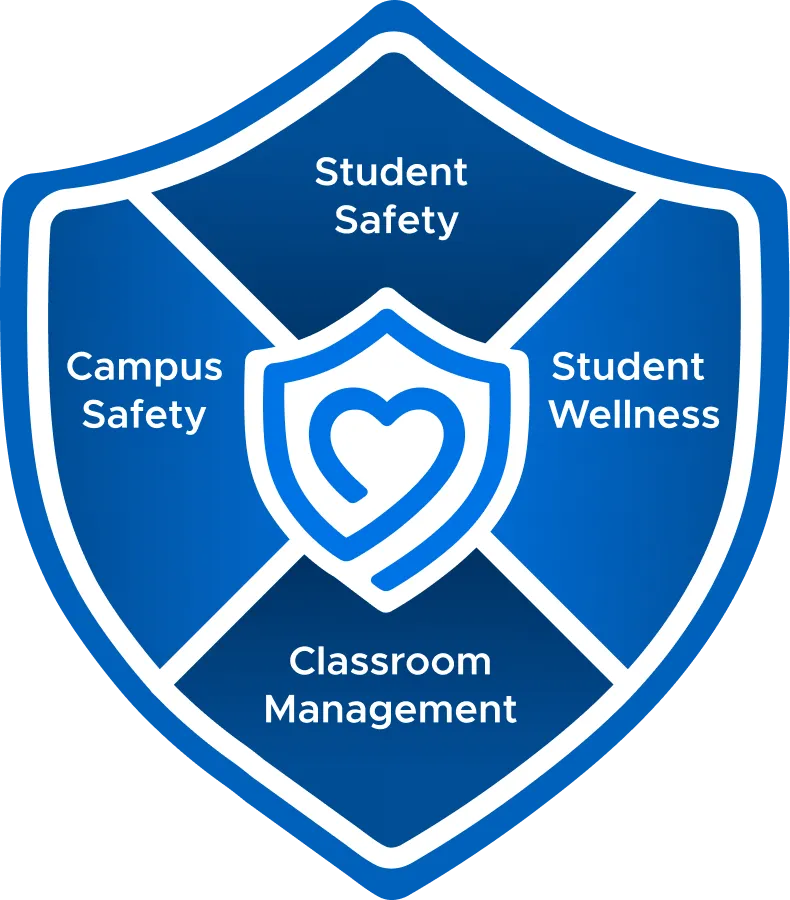
The Securly Shield brings together holistic K-12 solutions that empower Wisconsin districts to proactively protect students, support mental wellness, and drive student engagement through smarter, safer technology:

Securly Shield
Student Icon
407,898

WI students supported

Map Icon
304

WI schools + districts supported